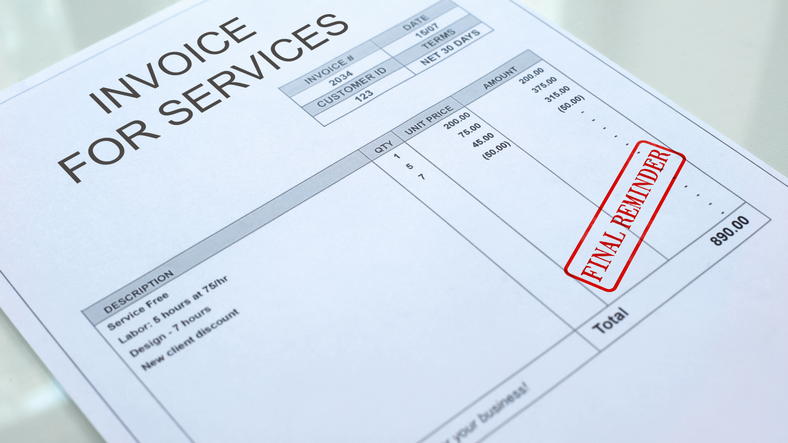
We look at the perennial problem of unsuspecting companies and individuals receiving fake trade mark renewal notices with inflated trade mark renewal fees from rogue traders. Do you know how to spot one?
The scammers send the notices shortly before trade marks are due for renewal. The notices look official and most recipients are likely to believe that they are genuine as they contain details about the existing trade marks and demand payment of a fee.
We regularly register trade marks and often receive renewal notices for our clients as their registered office and have been surprised by the quality of the fake letters. To the unsuspecting eye, these documents look so convincing that there is a real risk that many companies or individuals will be lured into paying the often-inflated fees. After all, trademarks are only renewed every 10 years and so the format of the paperwork is not something that most people are familiar with.
How can you tell if you have been targeted? The rule is simple. The only entities that should be communicating with you about renewing your trademarks are:
- IPO (The Intellectual Property Office) for UK trademarks.
- OHIM (The Office for Harmonization in the Internal Market) for European Community trademarks.
Details of some of the rogue traders that have tried to take advantage of this scam are listed on the OHIM website.
Update as of 21 May 2026
Companies House and the IPO have joined together to warn businesses to remain vigilant when receiving letters requesting payment from companies that are not associated with the government.
Misleading letters are often posted to a company’s registered office address and offer services at a highly inflated fee. They usually promote services that are either unnecessary or are available directly from Companies House or the IPO for free or at a much lower cost. The letters often refer to the following services:
- Setting up an online account at Companies House.
- Authenticating or verifying details of an account at Companies House.
- Renewing a trade mark or including it in an exclusive online register.
Although the letters may look legitimate, businesses are advised to check whether the websites and email addresses in the letter are affiliated with the government before responding. Any official correspondence from Companies House or the IPO will be clearly marked as such.
The companies sending these letters regularly monitor Companies House and the IPO register. This makes newly incorporated businesses or businesses that have recently applied for a trade mark particularly vulnerable as they are more likely to mistake a false letter as genuine in anticipation of a response to a recent application.
If you are unsure whether a letter is legitimate, you can contact Companies House or the IPO directly for confirmation.
Alternatively, if you have any questions about this issue or a letter you have received, please contact our Commercial, IP & Technology Team at: commercialtechnologygroup@fsp-law.com or visit our group page.
This article is for information only and does not constitute legal advice. We recommend seeking professional advice before taking any action on the information provided. If you would like to discuss your specific circumstances, please feel free to contact us on 0118 951 6200.