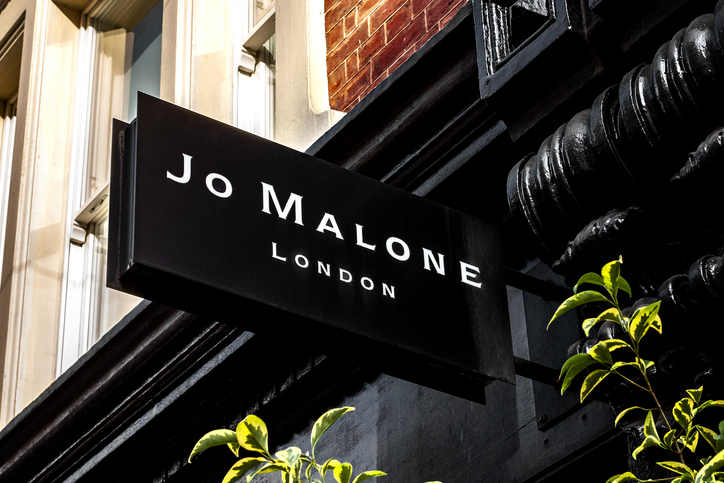
Although Estée Lauder’s claim against Jo Malone for using her own name has garnered a lot of publicity in the general press, it’s perhaps worth reflecting on the key issues here and the wider implications for business owners.
Background
Estée Lauder purchased the company Jo Malone London from Jo Malone in 1999. The share purchase agreement for the transaction included restrictions on how Jo Malone could use her name commercially going forwards.
Jo Malone founded a new brand, Jo Loves, in 2018 and then in 2019 began a new collaboration with Zara involving a perfume collection with packaging which referred to Jo Malone as the creator.
Estée Lauder has filed claims against Jo Malone, Jo Loves, and Zara for using Jo Malone’s name to promote the products on the basis that:
- The collaboration infringed the registered trade mark for “JO MALONE”, acquired by Estée Lauder in 1999.
- Jo Loves misrepresented a connection with Jo Malone London.
- Jo Malone breached the commercial restrictions of the share purchase agreement.
The legal position
In the UK, individuals are allowed to use their own name in business even if it overlaps with a registered trade mark, provided they can show that it is being used in accordance with honest practices in industrial or commercial matters.
This is a very high threshold to meet. The courts would consider whether the use of the name interferes with the legal owner’s use of the registered trade mark and whether the defendant should have appreciated that there would be a likelihood of confusion. This would be a difficult defence to raise in this case because Jo Malone sold the Jo Malone London brand to Estée Lauder and therefore was aware of the existence and scope of the Jo Malone London brand.
The courts would also consider whether the average consumer would mistakenly believe there was an association between Jo Loves and Jo Malone London, or whether they would identify Jo Malone as an individual separate to the brands. The outcome would largely depend on the evidence put forward by both parties, but Estée Lauder’s case would be strengthened if they could show that they have suffered actual damage as a result of the collaboration between Jo Loves and Zara.
If this matter proceeds to court, the terms of the share purchase agreement will be crucial because it represents the agreement between the parties. Although Estée Lauder claims that the agreement restricts Jo Malone from using her name in certain commercial contexts, it would be up to the court to interpret what is meant by the restriction in the particular circumstances of this case.
Key takeaways
The outcome of the Jo Malone dispute is still unknown, but it serves as a good reminder of some of the key issues to consider for anyone thinking of adopting, using or selling a brand name:
- While the law gives some protection to individuals to use their name in a trade mark context even without the benefit of a registration, it makes sense to look at whether it is possible to register a trade mark. Generally, however, the name will need to have acquired distinctiveness (i.e. the name is already associated by the public with particular goods/services).
- Before planning to use any new brand name, it is worth carrying out a search of the UK IPO to see what similar names are already registered and considering registering your own brand name at an early stage.
- When selling a trade mark in circumstances where you may set up a new business following completion, it is important to review carefully any restrictions the buyer wants to impose. This is particularly so if you intend to remain active in the same sector and may need to use a similar trade mark in the future. Jo Malone’s case is a rather extreme situation because the brand included the assignor’s personal name but it highlights the importance of ensuring that the contract leaves no uncertainty over the rights being transferred and any post-completion restrictions.
This article is for information only and does not constitute legal advice. We recommend seeking professional advice before taking any action on the information provided. If you would like to discuss your specific circumstances, please feel free to contact us on 0118 951 6200.