Partner Michael Higgin who leads our Strategic Land team looks at the uses, merits and shortcomings of these clauses in land promotion agreements
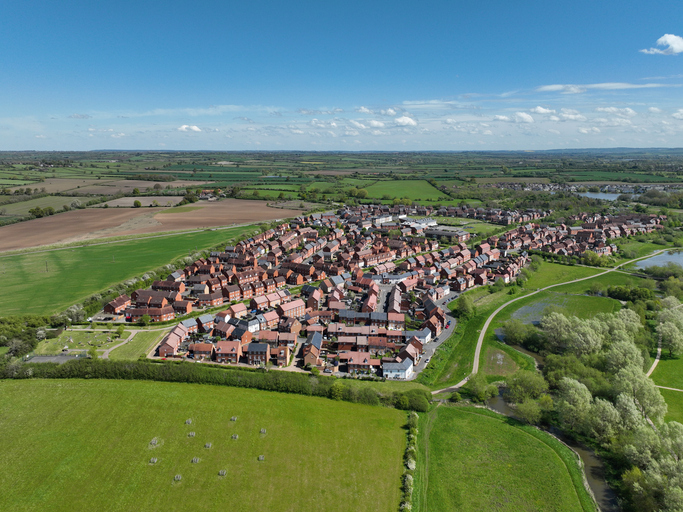
Land promotion agreements are a popular way for farmers and landowners to engage with expert commercial partners to put their land forward for development for housing or commercial purposes. The promoter does the heavy lifting and pays the costs of getting planning permission, and then the landowner sells the land to a developer and shares the rewards with the promoter.
Before the November 2025 budget there was a lot of concern about what changes might be made to capital gains tax, or the possible introduction of a novel tax on value derived from the grant of planning permission. That bullet has been dodged, for now at least, but the risk remains. These clauses give landowners the chance to pause a sale in order to ‘wait and see’ if the tax position improves, or in an extreme and more expensive scenario, to pay off the promoter and keep the land unsold.
Tax Freezers
From a legal perspective re tax, we often see these provisions (formerly sometimes nicknamed “Corbyn Clauses”) providing for sales to be suspended if the tax burden crosses a certain threshold (often 50%). But ultimately the promoter wants the property to be sold, after say 12/18/24 months, because they have spent a lot of money getting planning permission that they want back, plus their profit share. The promoter is generally not concerned about the landowner’s tax affairs, except that if the landowner is both VAT registered and VAT elected for supplies that it makes of the land, this makes the land more expensive in the hands of the developer (depressing the price paid a little), but VAT is another topic for another day.
Suspension is not a lasting solution to the problem of tax rates, because they are unlikely to be changed back from a higher rate within that time scale. “Rocket-and-Feather “ applies and taxes tend to go up readily and down rarely, no matter how vocal HM Opposition may be at the time of the taxes are imposed, once they see the revenue that is coming in, once they are in power.
Tax Terminations
We occasionally see provisions for promotion agreements to be terminated by the landowner if the tax burden passes a certain threshold, but that is always on the basis that the promoter gets back all of their costs incurred to date, and frequently that they also get the profit they would have made had the sale gone through. That would be a large sum, and a big bill to pay in order to make a point of principle, no matter how painful it is to sell the family silver materially for the benefit of HM Government. At that point the landowner is not necessarily better off holding-back the land than proceeding with the sale and paying the tax – if assets need to be sold to be able to pay off the promoter it may as well be the consented land …One would in such a situation still be looking at a receipt from the sale of the land which is (hopefully) well in excess of what its agricultural value is, even after you have paid the tax.
Commentary
Landowners can explore with their tax advisers whether there is opportunity to pass value to the next generation – or other family members – who are not earning as much in income or capital gains (if that is a possibility in each situation), or who have their own personal allowances which they can use to mitigate the tax burden. CGT personal allowances are however very small when compared to the value one would hope to achieve from the sale of a number of acres of land with planning consent for development.
No one wants to pay tax, but we are at least now dealing with a government that is promoting development and changing the planning rules to make that more likely, so landowners have an opportunity to benefit from that context.
There was no equalisation between capital gains tax and income tax rates in November’s budget, as had been feared, but one cannot say whether that will necessarily happen and if so at what levels. If a lot of value is being unlocked for a relatively small number of landowners by an improved and more flexible planning permission regime, it will be predictable for the Treasury to seek to benefit from the value accrued from that.
And now the small print: We are not tax advisers, and landowners should take advice from specialist accountants or other tax advisers with experience in such land agreements