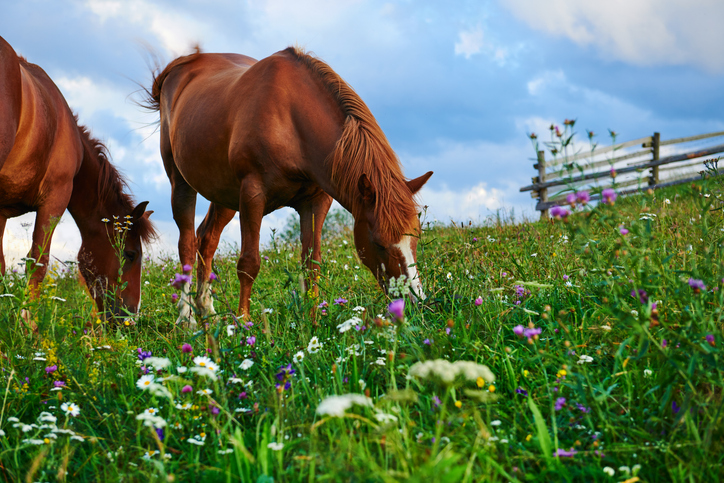
A guide to what a grazing licence is and when it is used
What is a Grazing Licence?
A Grazing Licence is a legal document giving permission to an individual (the licensee) to use agricultural land for grazing livestock—such as sheep or cattle —on a temporary basis. Unlike a lease or tenancy, a Grazing Licence does not confer exclusive possession of the land and typically runs for a short, defined period. The landowner retains overall control and access to the land.
Grazing licences are designed to be straightforward and flexible arrangements, allowing land to be used seasonally without creating a tenancy under agricultural law.
When is a Grazing Licence used?
Grazing Licences are commonly used for:
- Short-term or seasonal grazing arrangements (such as spring/summer grazing).
- Avoiding the creation of a tenancy, especially for periods less than a year.
- Temporary use of land for pasture, without granting the licensee rights of occupation or business use.
- Landowners wishing to retain flexibility and control over land.
These arrangements are especially popular with estates, farmers, and landowners who want to allow another party to graze animals without risking long-term occupation.
Problems may occur if a Grazing Licence is to be used for horses as the grazing of horses is not always considered agricultural use of the land. If a landowner wishes to allow a third party to graze horses but retain the ability to claim agricultural tax reliefs or to enter the land into agricultural land management schemes then they should take appropriate professional advice to determine whether a Grazing Licence is appropriate in the circumstances.
Who drafts a Grazing Licence?
A Grazing Licence is usually drafted by a legal professional, often a solicitor with knowledge of agricultural law. Because it is a relatively simple document, some land agents or estate managers may use standard precedents or templates, customising them to suit particular arrangements. The landowner’s legal advisors typically prepare the licence, but licensees may also seek independent advice to ensure their interests are protected and obligations are clear.
How much does a Grazing Licence cost and who pays for it?
The cost of a Grazing Licence includes Legal Fees, usually £1000 plus VAT for standard drafting, and the Licence Fee agreed between the parties. Complex licences or additional negotiation can increase costs. The landowner will typically cover the cost of prospering the Grazing Licence, but the licensee may pay their own legal fees if they seek advice. The licensee always pays the agreed licence fee for the grazing period.
Does a Grazing Licence need to be registered?
A grazing licence does not need to be registered with HM Land Registry, regardless of its length. This is because it does not confer exclusive possession or tenancy rights. However, both parties should retain signed copies for their records.
If you need help with a Grazing Licence please contact our Agriculture and Rural Land Team who would be more than happy to assist.
This article is part of our “What Is It” series where we consider various property documentation and explain what it is and when it is used, find more in the series here.

This article is for information only and does not constitute legal advice. We recommend seeking professional advice before taking any action on the information provided. If you would like to discuss your specific circumstances, please feel free to contact us on 0118 951 6200.