
Navigating Whistleblowing Obligations as an In-House Solicitor

Trade Marks: When does similarity cause confusion?
We take a look at a couple of trade mark decisions involving large sportswear brands Adidas and Umbro which help to clarify when similarity causes confusion in the eyes of the consumers.

Court of Appeal provides reminder on rules for Contract Formation in FIFA Club World Cup Broadcasting Dispute
The Court of Appeal has recently held in DAZN Limited v Coupang Corp [2025] EWCA Civ 1083 that a binding contract had been formed between DAZN and Coupang for the sub-licencing of the FIFA Club World Cup 2025 broadcasting rights through informal messages exchanged via emails and WhatsApp, even though no formal contract had been signed.
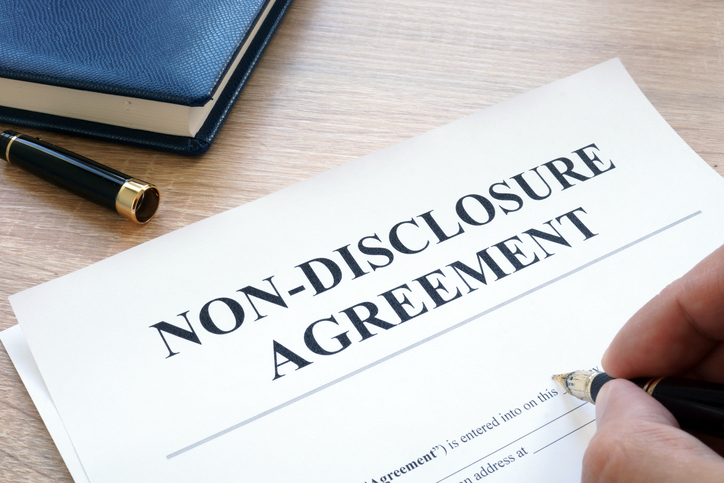
Breach of confidence is not a strict liability on a director/shareholder
The Court of Appeal has upheld the High Court’s decision that a director and minority shareholder was not personally liable for a breach of confidence because he did not know (nor suspect) that there was a duty of confidence (despite the company signing an NDA, and the director being involved in an initial meeting).


UK Data Protection Reform and Maintaining Adequacy – A Delicate Balancing Act
In this article, we take a look at the draft adequacy decision for the UK which has been issued by the European Commission (Commission) and the changes which the Data (Use and Access) Act 2025 (DUA Act) introduces to the rules around automated decision-making, as well as the potential impact this may have on the UK’s adequacy status in the future.

The Data (Use and Access) Act 2025: What are the key takeaways for businesses?
The Data (Use and Access) Act 2025 (DUAA) was introduced with the intention to create a modern digital government that promotes economic growth and makes lives easier while maintaining high standards of data protection.

Change of practice for UK trade marks applicants
The UK Intellectual Property Office (UKIPO) has issued new statutory guidance which changes the way that UK trade mark applications will be examined.


Navigating a world of changing tariffs – legal considerations
The new (partial) trade agreement between the UK and US following the launch of President Donald Trump’s “liberation day” tariffs earlier this year gives some comfort to UK businesses, but in an uncertain world, businesses conducting international trade may need to review their risks and consider mitigation.

Digital Assets – a new class of property
The UK Government has introduced the Property (Digital Assets etc) Bill (the “Bill”) which, if enacted, will be a significant development in the recognition of digital assets under English property law.