
National Minimum Wage increase announced
In the most recent budget, the government has announced increases to the National Minimum Wage to be implemented in April 2025.
In the most recent budget, the government has announced increases to the National Minimum Wage to be implemented in April 2025.

The Employment team at FSP are delighted to be hosting our next HR Networking event.

The Home Office have confirmed the limited rollout of the Sponsor UK system, which, it is hoped, will ultimately replace the current Sponsor Management System entirely.

The Home Office have launched a new online form for reporting errors on eVisas.
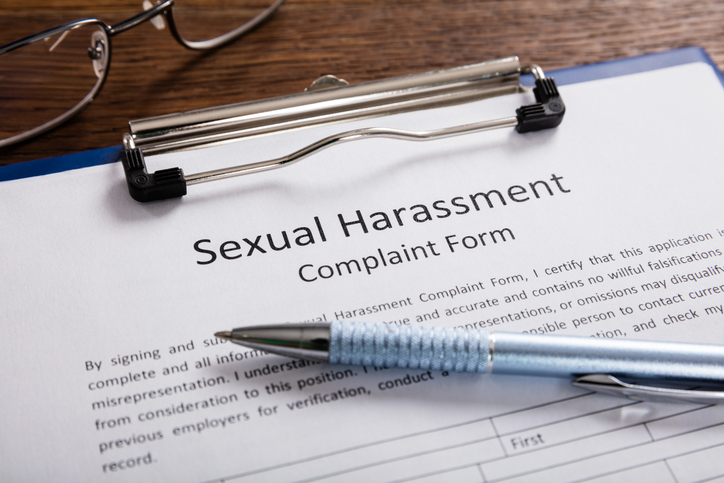
From 26 October 2024, employers will have a mandatory duty to prevent sexual harassment in the workplace. The Equality and Human Rights Commission (EHRC) have updated their guidance and published a new “8-step” guide to help employers prevent sexual harassment at work.

The new Employment Rights Bill signals a host of changes to employment law.
In Tesco Stores Limited v USDAW and others the Supreme Court has imposed an injunction preventing Tesco from using a “fire and rehire” strategy to remove retained pay.

A recent case concerning football referees provides some useful guidance as to when individuals on part-time contracts may be seen as employees for tax purposes.

Following recent developments in the law, the settlement agreement template used by your business is likely to be in need of an overhaul.

In Turner-Robson and others v Chief Constable of Thames Valley Police, an Employment Tribunal has held that the appointment of a minority ethnic Sergeant to a Detective Inspector role without any competitive recruitment process was positive discrimination